Section 1 History
Ada, the starting point. Ada is a programming language designed at the end of the 1970s for the US Department of Defense, standardized in 1983 and named after Ada Lovelace, the first programmer. Strict, strongly typed and built for software that must never fail, it still flies in aircraft, trains and spacecraft, but it was never meant for drawing pictures. Rarely taught today, it was, in its Ada 95 revision, the imposed language during my computer science bachelor’s degree studies between 2002 and 2004.
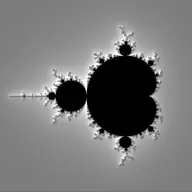
2003, Fractals. My first fractals were born in Ada 95, for my first end-of-year project. The graphics library of the time, AdaGraph by Jerry van Dijk, was limited, and the computers of the day were far from today’s: every image had to be earned, one pixel at a time.
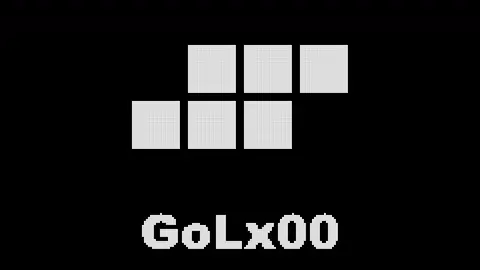
2004, Conway’s Game of Life. A second Ada 95 project, for my second end-of-year project, brought the same passion to Conway’s Game of Life: a game with no player. A grid of cells, a handful of rules, and the board plays itself, giving birth to gliders, guns and patterns that seem alive.
Twenty years on. The fascination never left. One line of mathematics, z → z² + c, and an endless coastline of shapes that never quite repeat; a few rules on a grid, and a universe that runs on its own.
From Ada to Rust. The code made the journey with me: from Ada 95 to WebGL and WebGPU in the browser, and finally to Rust, for a native renderer that dives deep and exports every frame in 4K or 8K at 60 frames per second.
With AI at the workbench. AI-assisted development multiplied the algorithms and lifted the rendering to a new level of detail, light and color.
Section 2 The channel
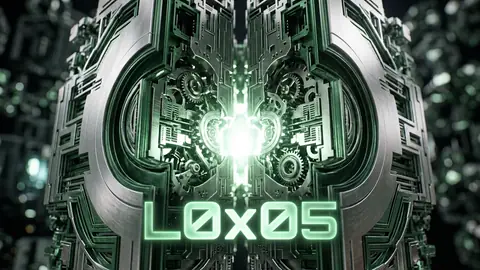
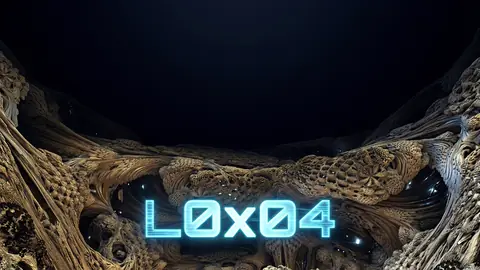
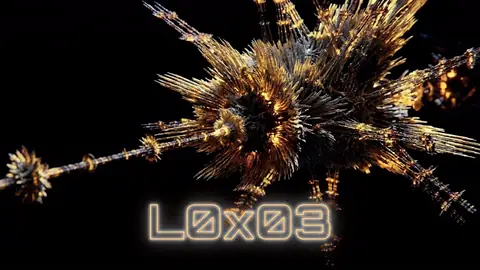
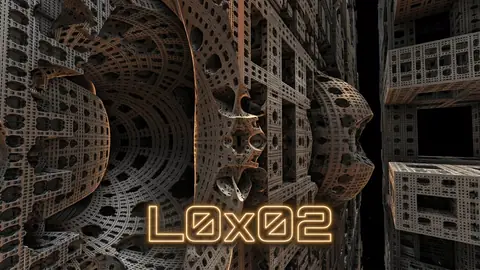
Fractal art computed frame by frame and published at native 4K and 8K, 60 frames per second: deep zooms into the Mandelbrot and Julia sets, flights through Mandelbulbs, Mandelboxes and Apollonian structures, and Conway’s Game of Life.
Every video carries a code in hexadecimal: L0x for long films, S0x for Shorts, GoLx for the Game of Life. The codes count up from 00 in base 16, so S0x0F is followed by S0x10.
The iconic signature 0x46.0x58.0x50 is “FXP” written in ASCII hexadecimal.
Section 3 Long films
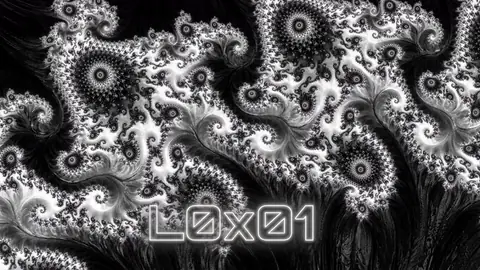
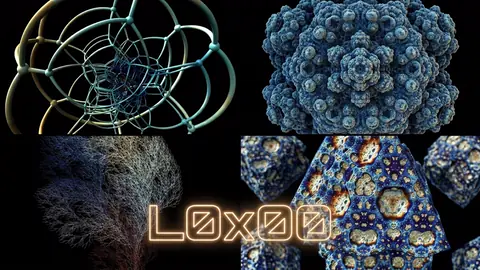
Landscape, 16:9.
Section 4 Shorts
Portrait, 9:16.
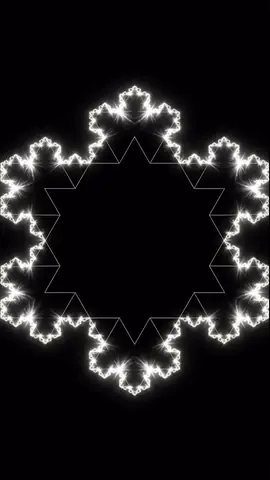 S0x2B 4K Koch Snowflake
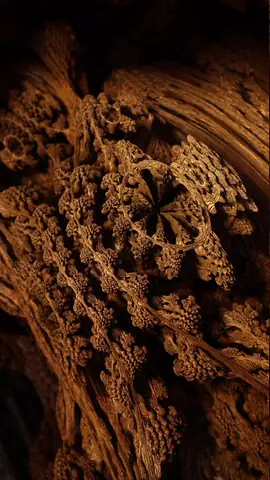 S0x2A 4K Mandelbulb
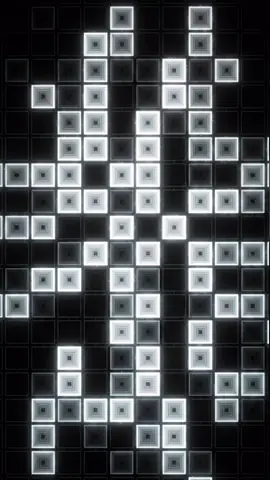 S0x29 4K GoL Maze Rule
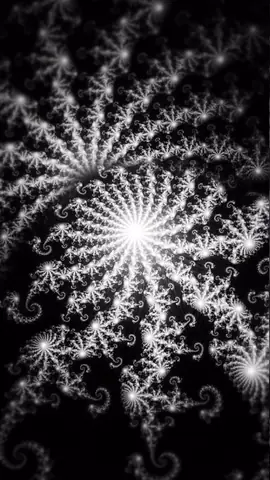 S0x28 4K Julia Set Spirals
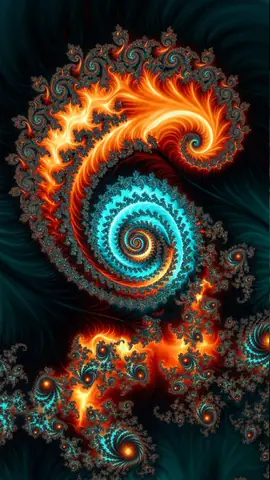 S0x27 4K Julia Set Seahorse Spirals
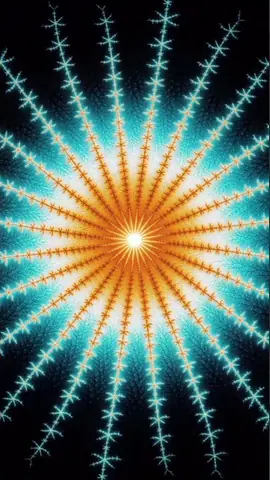 S0x26 4K Mandelbrot Endless Zoom
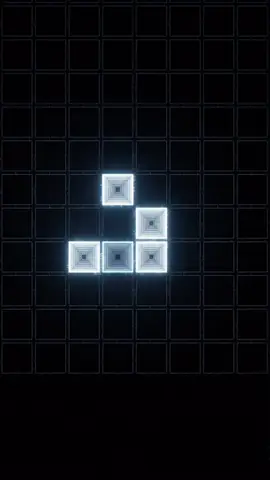 S0x25 4K GoL Meta Glider
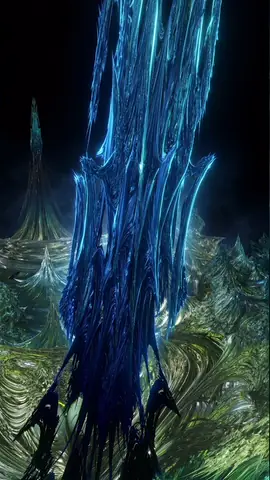 S0x24 4K Nonic Bulb Power9
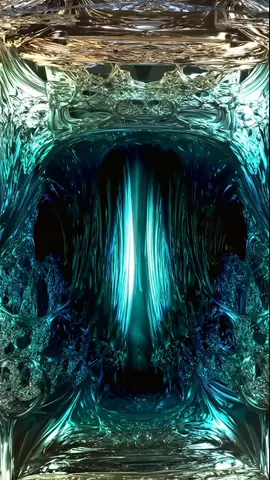 S0x23 4K Cubic Bulb Power3
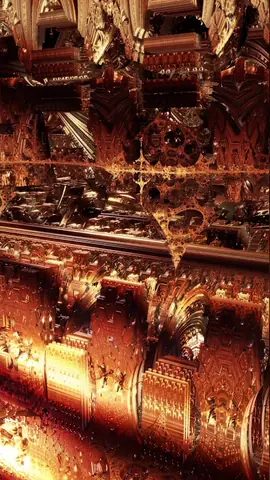 S0x22 4K Mixed Mandelbox Proto#1
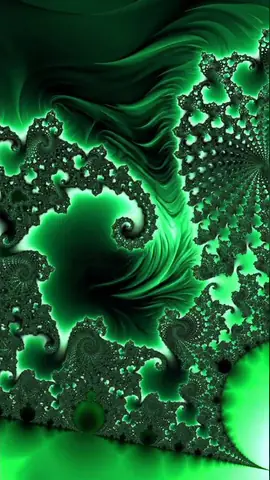 S0x21 4K Mandelbrot Endless Zoom
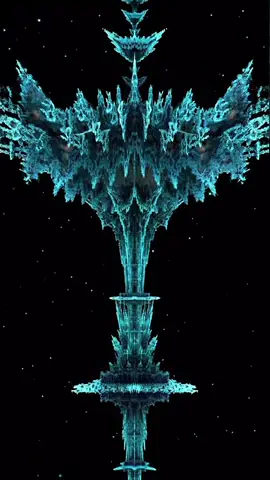 S0x20 4K Mandelbulb Needle
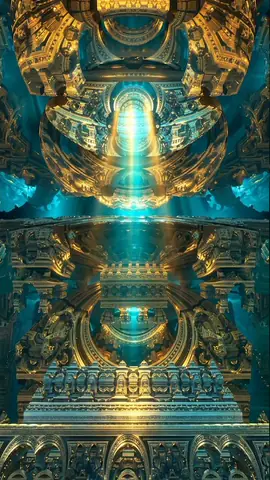 S0x1F 4K Twisted Mandelbox Discovery
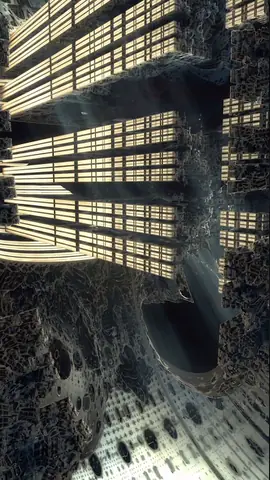 S0x1E 4K Negative Mandelbox Drone
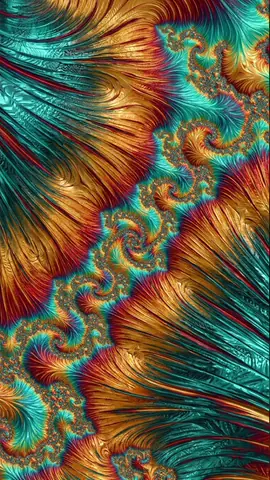 S0x1D 4K Mandelbrot Endless Zoom
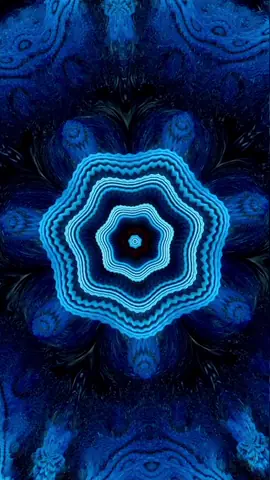 S0x1C 4K Mandelbulb
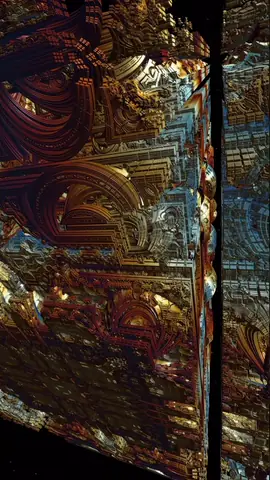 S0x1B 4K Mandelbox Inside
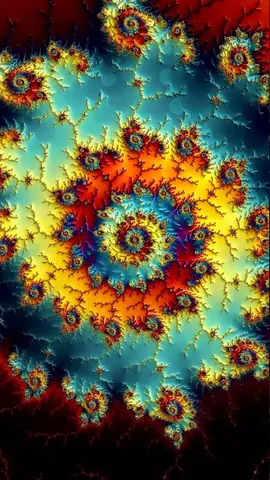 S0x1A 4K Mandelbrot Endless Zoom
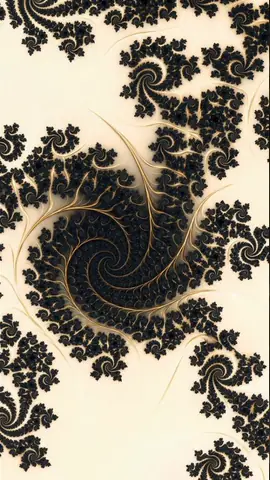 S0x19 4K Julia Endless Zoom
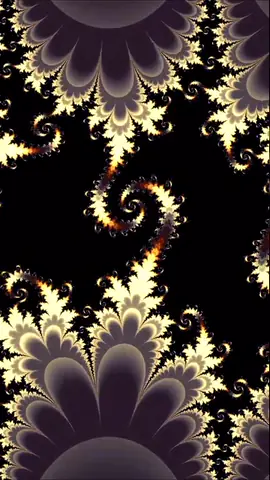 S0x18 4K SinH Map
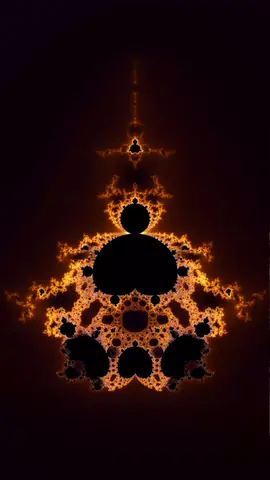 S0x17 4K Perturbed Mandelbrot
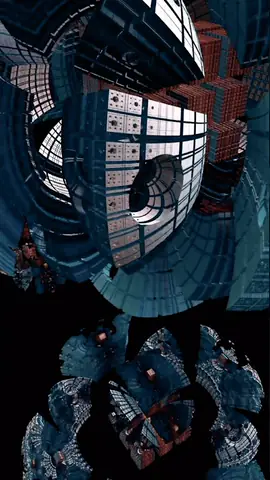 S0x16 4K Wave Carved Box
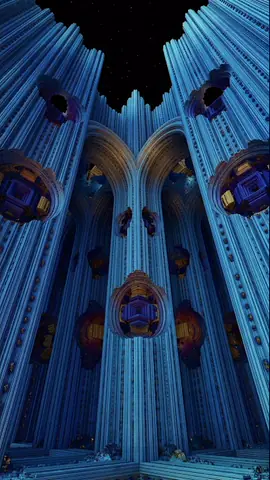 S0x15 4K Gyro Box
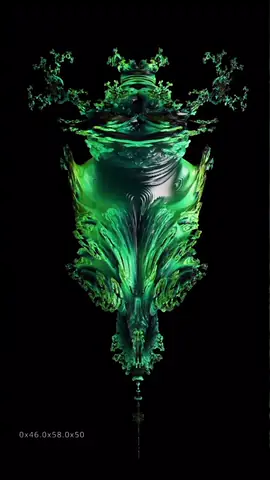 S0x14 4K Drift Bulb
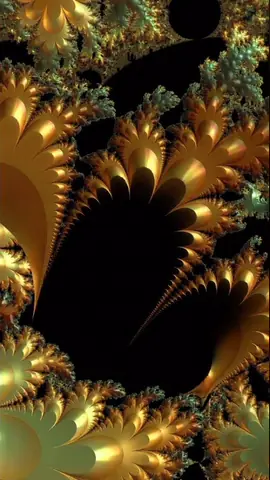 S0x13 4K SinH Map
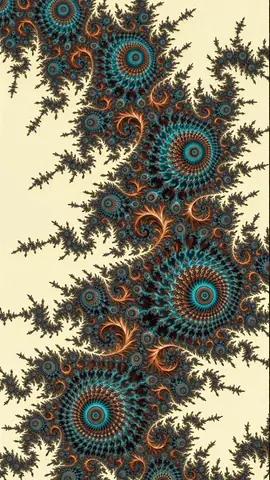 S0x12 4K Julia Endless Zoom
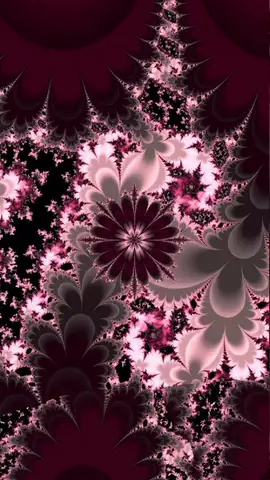 S0x11 4K SinH Map
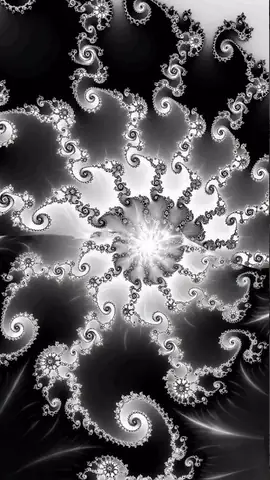 S0x10 4K Julia Endless Zoom
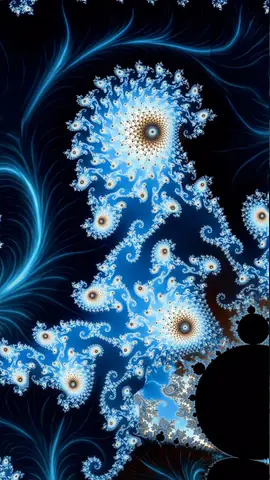 S0x0F 4K Mandelbrot Endless Zoom
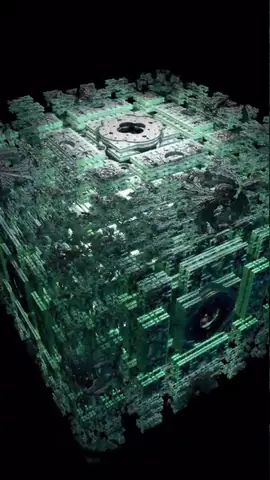 S0x0E 4K Cuboid Mandelbox
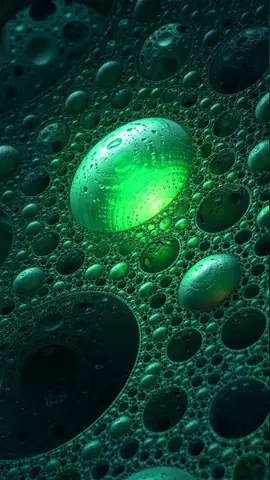 S0x0D 4K Apollonian Caves
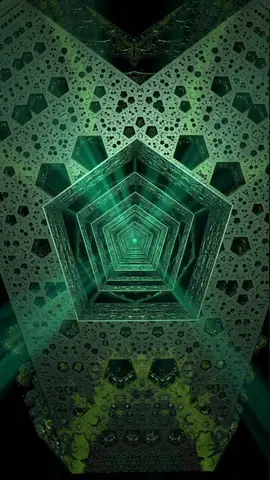 S0x0C 4K Kaleidoscopic Cathedral
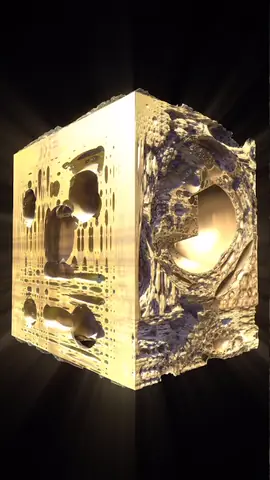 S0x0B 4K Negative Mandelbox
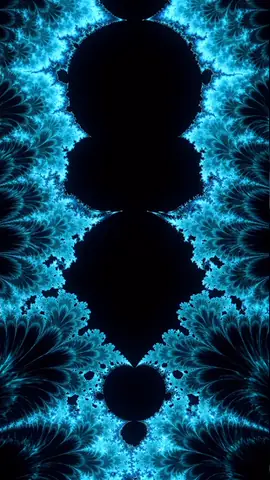 S0x0A 4K Sine Square
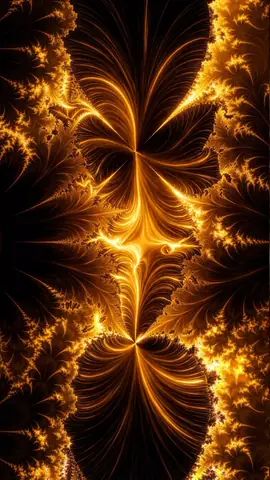 S0x09 4K SinH Map
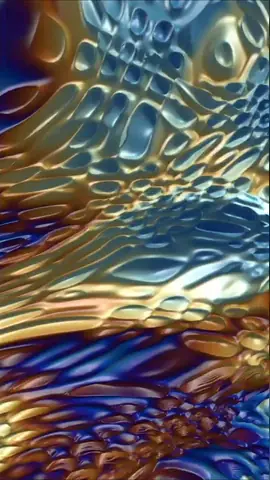 S0x08 4K Brain Coral Maze
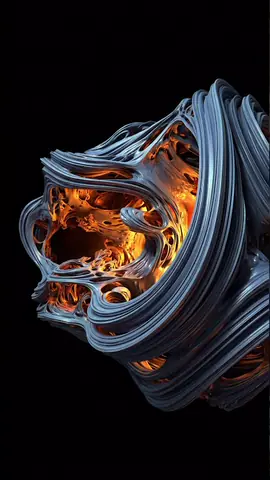 S0x07 4K Drift Bulb
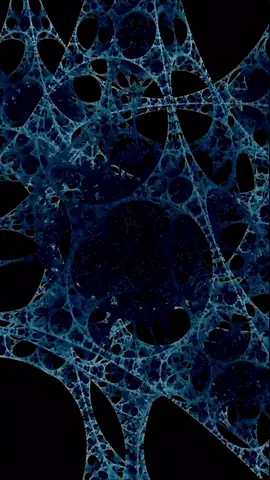 S0x06 4K Molten Apollonian Glass
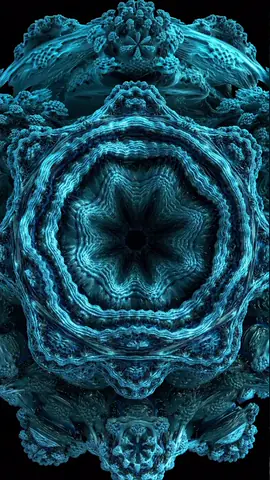 S0x05 4K Mandelbulb
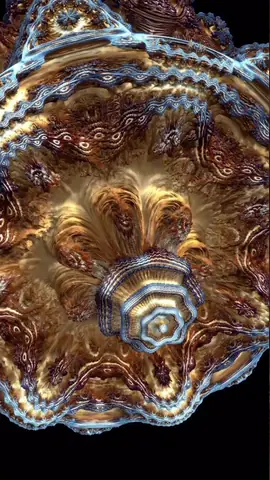 S0x04 4K Mandelbulb
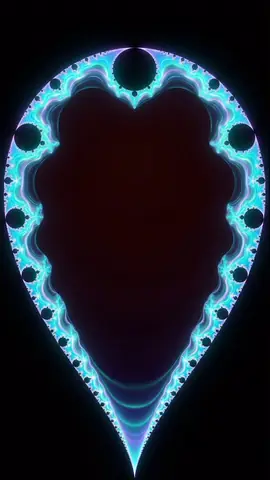 S0x03 4K Inverse Mandelbrot
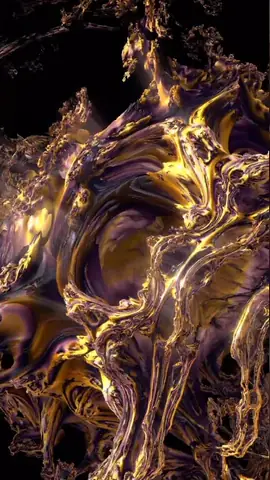 S0x02 4K Drift Bulb
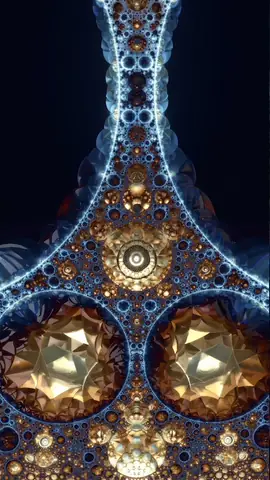 S0x01 4K Schottky Slab Cusp
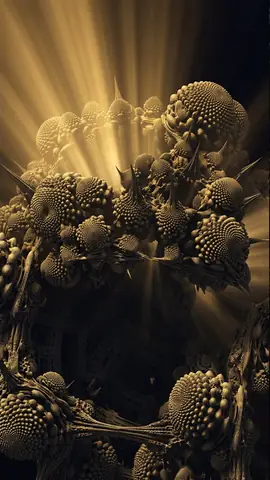 S0x00 4K Mandelbulb
Section 5 Game of Life
Conway’s cellular automaton, on a black field.